Drain Relining vs Digging Up: Which Fix Is Best?
When an underground sewer pipe cracks, drops at a joint, or fills with tree roots, you have two ways to fix it permanently: pull a resin liner through the existing pipe from a manhole, or dig a trench and lay new plastic pipework. Here is an honest look at when no-dig relining works, when excavation is unavoidable, and how the costs and lifespans compare.
The Short Answer: What You Need to Know First
When to Reline
If the pipe is still broadly round and water can flow through it, relining is almost always best. It seals longitudinal cracks, open clay joints, and root holes in a single day without touching your driveway, patio, or conservatory floor.
When to Dig Up
A liner moulds itself to the shape of the existing pipe. It cannot lift a sunken pipe that is holding standing water ("belly"), and you cannot push a liner through a completely crushed clay run or flattened pitch-fibre pipe. Those have to be dug out.
Cost & Lifespan
Metre for metre, relining usually saves 30% to 50% compared to deep excavation once you factor in concrete breaking, muck-away skips, and relaying block paving or flags. A properly cured CIPP resin liner has a 50-year design life.
Side-by-Side Comparison: Relining vs Open-Trench Excavation
Homeowners often ask if a resin liner is just a temporary "sticking plaster" compared to putting new plastic pipe in the ground. In reality, Cured-In-Place-Pipe (CIPP) liners harden into a structural pipe that is tougher than standard PVC-U. The choice comes down to the physical condition of your existing drain run.
| Factor | No-Dig Drain Relining (CIPP) | Open-Trench Excavation |
|---|---|---|
| Time on Site | Usually 3 to 6 hours for a single patch or full manhole-to-manhole liner. | 1 to 3 days depending on trench depth, ground water, and surface reinstatement. |
| Surface Disruption | Zero digging. Installed entirely through existing manholes or rodding eyes. | Driveways, tarmac, patios, or lawns must be cut, dug out, backfilled, and relaid. |
| Expected Lifespan | 50+ years (WRC-approved structural silicate or polyester/epoxy resin). | 50 to 100 years (modern SDR41 plastic pipe laid in fresh pea gravel). |
| Best Used For | Cracked clay collars, root ingress, leaking mortar joints, missing pipe shards. | Collapsed roofs, severe backfall/standing water, blistered pitch-fibre pipes. |
| Overall Cost Driver | Length and diameter of the resin sleeve, plus root cutting prep time. | Depth of the trench, shoring safety gear, skip hire, and paving restoration. |
How No-Dig Relining & Patching Works in Practice
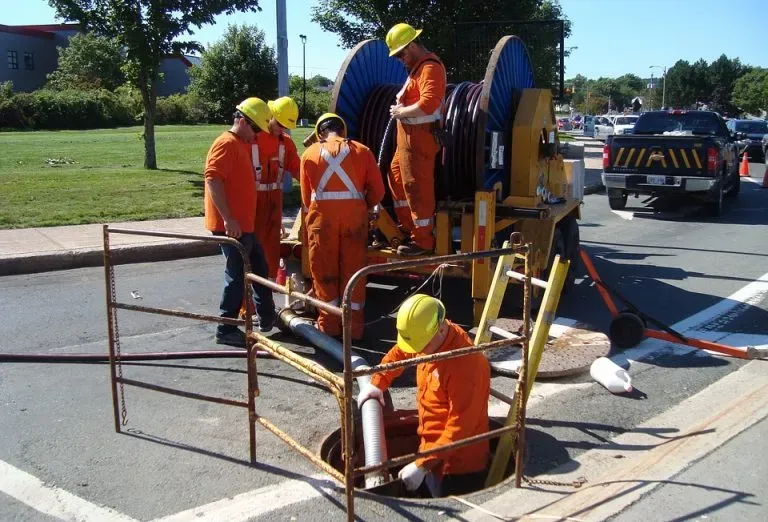
Before a liner goes anywhere near your drain, the host pipe has to be spotless. We start by high-pressure water jetting the line to flush out silt and grease. If tree roots have pushed through old clay mortar joints, we run a rotary mechanical cutter down the pipe to mill the roots back flush with the clay wall.
For a single cracked joint or an old disused branch connection that is letting rats in, we don't need to line the whole run. We wrap a 1-metre fibreglass mat soaked in silicate resin around a rubber pneumatic packer, push it to the exact spot using our CCTV camera, and pump it up with compressed air. Within an hour, the resin cures rock-hard and we deflate and pull out the rubber bladder.
If the whole run between two manholes is fractured, we invert a continuous felt sleeve impregnated with resin through the entire pipe using air or water pressure. Once cured, it forms a smooth, joint-free pipe inside the old pipe. Because the liner is only a few millimetres thick and ultra-smooth, it actually improves flow speed rather than restricting the bore.
Why Some Drains Have to Be Dug Up
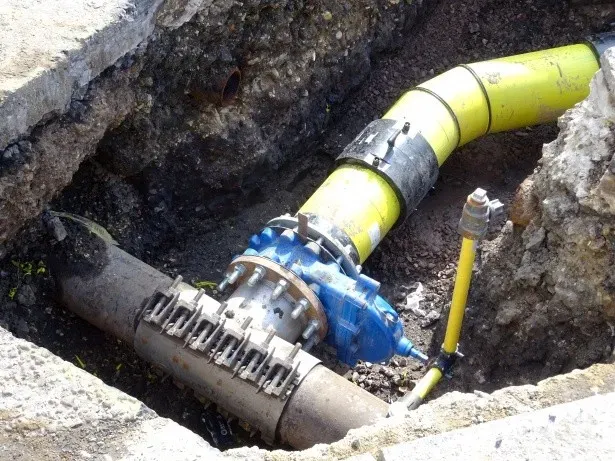
Any contractor who promises to reline a drain without putting a camera down it first is guessing. There are four physical faults where a resin liner simply will not work and open-trench drain excavation and replacement is the only honest fix:
- 1. Total Crown Collapse: If the top of a salt-glazed clay pipe has caved in and soil or rubble has filled the bore, there is no tunnel left to push a liner through.
- 2. Dropped Joints & "Bellies": In coastal parts of Merseyside like Crosby and Formby, shifting sandy subsoils and high water tables often wash away pipe bedding. If a pipe section sinks by an inch or two, water pools in the dip. Relining over a dip just gives you a shiny new dip that still traps toilet paper and waste.
- 3. Severe Pitch-Fibre Blistering: Properties built between the 1950s and 1970s often used black pitch-fibre pipes made from wood cellulose and coal tar. Over decades, hot water and fats cause the pipe walls to delaminate, blister inwards, and squash flat like an oval. Once a pitch-fibre pipe loses its round shape, it must be excavated and replaced with rigid plastic.
- 4. Severe Lip Displacement: If ground movement has caused one pipe collar to drop more than 15–20% below the next pipe, a liner will form a step inside the drain that catches solid waste.
How We Diagnose Which Fix You Actually Need
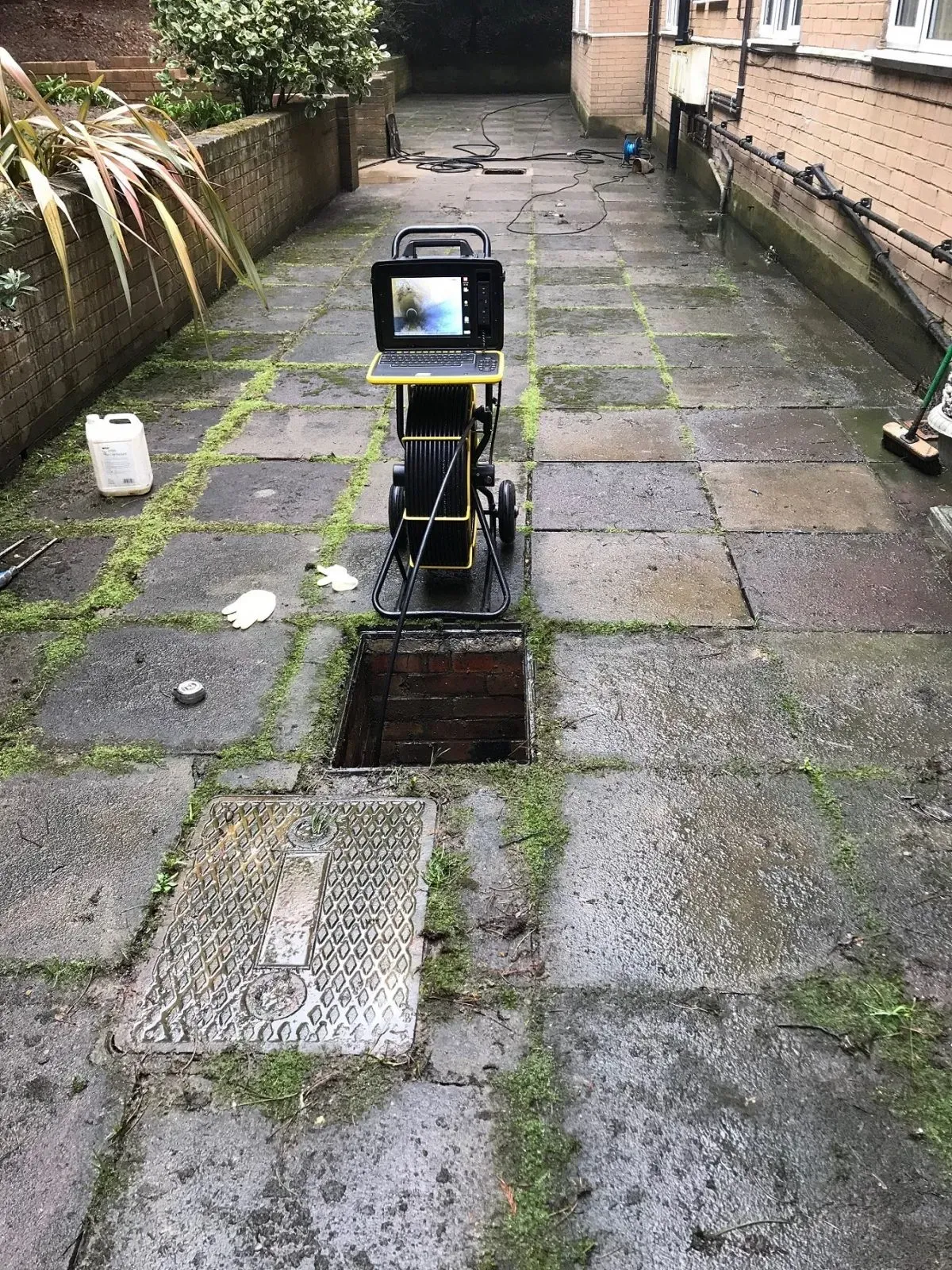
Before you spend money on either repair, we run a high-definition CCTV drain survey through the affected run. You can watch the live monitor screen with our engineer right on your driveway so you can see the exact defect for yourself—no sales stories or guesswork.
Pinpointing Depth & Location with Sonar
Whether we are setting up a local patch repair or marking out a 1.5-metre excavation, our camera head carries a 33kHz sonar sonde transmitter. Using an above-ground locator wand, we walk across your patio or lawn, lock onto the signal, and mark the exact spot and depth to the centimetre. If we do have to dig, we only lift the exact flags directly over the break.
Checking Shared Sewer Responsibility First
During the inspection, we always check where the fault sits in relation to your property boundary and neighbouring drains. If the cracked or collapsed pipe carries wastewater from more than one property (such as a shared rear terraced drain), it is usually a transferred public lateral sewer owned by United Utilities. If it falls under their remit, we will tell you straight away and give you the camera footage so you can get them to repair it free of charge.
Hybrid Repairs: Combining Both Methods
You do not always have to dig up an entire 15-metre driveway just because one metre of pipe has collapsed in the flowerbed.
On many jobs, the smartest and cheapest approach is a small, targeted 1-metre spot excavation in soft ground to cut out a collapsed section or install a new plastic inspection chamber, followed by a continuous CIPP liner shot from that new chamber right under the house or driveway.
What to Expect on the Day & Building Regulations
Site Care, Hygiene & Access
If your pipe is suitable for no-dig drain relining, we only need access to the manholes at either end of the run. We lay down heavy-duty protective sheeting around the chamber, manage water flow using temporary inflatable bung plugs so sewage does not spoil the wet resin, and wash down and sanitise the area before packing away. Your toilets and sinks are back in full use the same afternoon.
If an open-trench dig is required on your drive or garden, we saw-cut tarmac or lift block paving by hand and stack it neatly to one side. Spoil is loaded onto heavy polythene boards or straight into a grab wagon so soil does not stain your driveway.
Pipe Bedding & Compliance
When replacing collapsed underground drains, how the pipe is bedded matters just as much as the pipe itself. In line with Approved Document H of the Building Regulations, new 110mm or 160mm underground plastic pipework must be laid at a steady self-cleansing gradient on a 100mm bed of 10mm pea gravel, with gravel haunched right over the crown of the pipe before compacting sub-base in layers.
Skipping proper gravel bedding is why poorly installed pipes sag again a year later. Whether we install a cured resin sleeve or lay a new section of pipe, we finish every structural job with a post-repair CCTV run to prove the joints are flush and water is flowing cleanly.
Related Services & Guides
Explore our trenchless repair services and practical homeowner drainage advice across Merseyside.
Drain Relining Repairs in Southport
Professional no-dig drain relining in Southport. Repair cracked clay or plastic pipes without excavation across Sefton. Structural CIPP resin technology.
Who Is Responsible for a Blocked Drain or Sewer?
Find out if a blocked drain is your private responsibility or covered by United Utilities. Learn how to check shared runs and manholes before you pay.
How Much Does a Pre-Purchase Drain Survey Cost?
Find out what affects the price of a pre-purchase CCTV drain survey, what a technical report includes, and how buyers use findings to negotiate house prices.
How Often Do Commercial Drains Need Cleaning?
Find out how often commercial grease traps, stack pipes, and car park gullies need cleaning to avoid kitchen shutdowns and water authority fines.
Do Drain Rat Blockers Actually Stop Rats?
Find out how stainless-steel drain rat blockers stop sewer rats entering your home without blocking toilet flow, why plastic flaps fail, and where to fit one.
Not Sure If Your Drain Needs Relining or Digging Up?
Speak directly to an experienced engineer at Liverpool One Drainage. We can inspect your pipework on camera, show you the exact condition on screen, and give you a clear, fixed quote before any repair work starts.