Liverpool Drainage Guidance, Rules & Sewer Responsibility
When a manhole overflows on your driveway or a CCTV camera reveals a fractured clay pipe beneath an extension, the first practical question is always who pays for the repair and what rules apply. Below is our straightforward guide to sewer ownership, building over pipes, and official local resources across Merseyside.
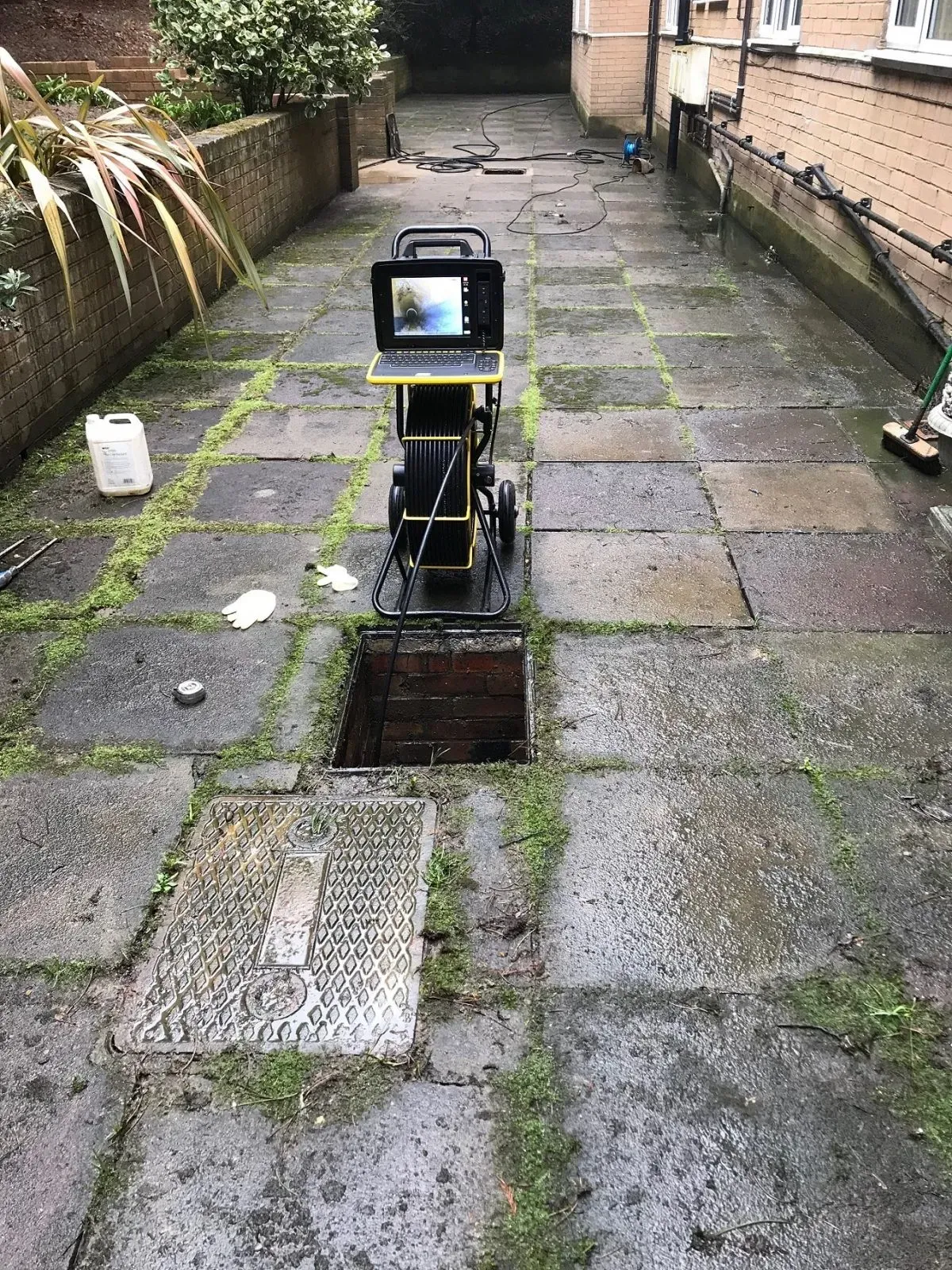
Private Drains vs Public Sewers: How Responsibility Works on Site
Since the 2011 sewer transfer regulations came into effect, ownership boundaries do not simply stop at your garden fence. Whether a pipe is your responsibility or belongs to the regional water authority (United Utilities) depends on how many properties feed into that specific run.
Private Domestic Drains
Any underground pipe, soil stack, kitchen gully, or inspection chamber that carries wastewater solely from your property and sits inside your boundary line is your private responsibility. If a clay collar drops or fat blocks the trap, the homeowner or commercial landlord arranges the clearance or structural relining.
Unadopted Shared Sewers
The point where your neighbour's waste pipe joins yours—such as the common brick-built rear alleyway drains in Wavertree or shared driveway runs—becomes a public lateral sewer. Even if the manhole sits in your back garden or patio, once it serves two or more properties, it typically falls under United Utilities.
Lateral Drains & Highway Runs
A single pipe serving only your house becomes a public lateral drain the moment it crosses outside your property boundary (for example, beneath the pavement or road before connecting to the main sewer). If we trace a root blockage or collapse beyond your boundary wall using a sonar sonde, we log the exact depth and coordinates for you to hand to the water board.
Official Drainage, Building & Consumer Guidance Links
Use the official portals below to check local council building control requirements, public sewer maps, waste disposal rules, and consumer protection standards across Liverpool, Sefton, Wirral, and the wider UK.
United Utilities – Sewers and Drains Explained
Illustrated guide clarifying whether a blocked pipe or drain is your private responsibility or covered by United Utilities. Local property owners can verify boundaries before hiring an emergency unblocking contractor.
United Utilities – Building Over a Public Sewer
Details mandatory technical criteria and formal application processes before completing home extensions or groundworks near public sewers. Essential for homeowners planning extensions or drainage alterations in Merseyside.
United Utilities – Sewer Connections (Section 106)
Covers official procedures and technical specifications for connecting private domestic drainage into the public wastewater network. Ideal for property developments or sewer diversion work across the North West.
Approved Document H: Drainage and Waste Disposal
Statutory Building Regulations setting mandatory engineering rules for foul drainage, soakaways, and inspection chambers. Essential technical reading before installing, replacing, or redesigning domestic pipework.
General Binding Rules for Small Sewage Discharges
Explains environmental permitting requirements and strict legal obligations for off-mains septic tanks and treatment plants. Crucial for rural and semi-rural property owners in Sefton and West Lancashire.
CCW – Who is Responsible for My Drains or Sewers?
Independent consumer advice helping homeowners identify statutory boundaries for unblocking and pipe repairs. Prevents local residents from paying out-of-pocket for utility-owned sewer issues.
Sefton Council – Drains and Sewers
Outlines local council powers, private drainage maintenance duties, and environmental health protocols across Southport and Sefton. Helps residents resolve nuisance drainage issues and defective private sewer lines.
Sefton Council – Reporting a Flood
Direct emergency reporting contacts for severe sewer backups, overflowing roadside gullies, and highway surface water pooling. Provides Southport residents with direct escalation routes during drainage crises.
Sefton Council – Land Drainage Consent
Explains regulatory requirements to obtain consent prior to altering, culverting, or piping ordinary watercourses or ditches. Essential for landowners undertaking substantial surface drainage or civil alterations.
Liverpool City Council – Report a Blocked Street Drain
Enables Liverpool residents to report flooded highway gullies, blocked kerb drains, and damaged road inspection covers. Ensures highways maintenance teams clear street-level blockages impacting residential access.
The Flood Hub – Sustainable Drainage Systems (SuDS)
Provides North West property owners with guidance on installing soakaways, permeable paving, and rain gardens. Helps alleviate local sewer surcharge and manage household surface runoff sustainably.
DrainSafe – Quality Assurance Framework
Details national quality-assurance criteria and regulatory auditing standards required of competent drainage contractors. Enables consumers to verify professional accreditation and safe working practices.
National Association of Drainage Contractors
Industry body establishing UK certified drainage codes, CCTV survey specifications, and water jetting standards. Helps customers understand professional requirements when commissioning major drain repairs.
Practical Trade Rules: Extensions, Build-Overs & Commercial Waste
If you are planning a rear kitchen extension, installing a new downstairs bathroom, or managing a commercial food venue in Liverpool City Centre, there are specific engineering standards we help you meet before and after construction work begins.
Build-Over Agreements & Approved Document H
When building an extension over or within three metres of a shared sewer, water authorities and local council building control inspectors require a pre-construction and post-construction CCTV drain survey. We inspect the pipe run, map its exact depth and invert levels, and fit structural CIPP liners if old salt-glazed clay joints need sealing before concrete foundations are poured.
Internal Manhole Seals & Chamber Reconstruction
If an existing external manhole ends up inside a new habitable room or conservatory, standard cast-iron covers are no longer compliant. Unless the chamber can be diverted outside via drain excavation, it must be fitted with a double-sealed, bolted airtight cover to stop foul sewer gases and rodents entering the home.
Commercial Kitchen Grease & Silt Compliance
Under the Water Industry Act, restaurants, takeaways, and food production units can be prosecuted or billed by water companies if solidified fat, oil, and grease (FOG) block the main public sewer. Regular commercial drain maintenance, grease trap servicing, and high-pressure hot water jetting keep discharge lines clear and compliant.
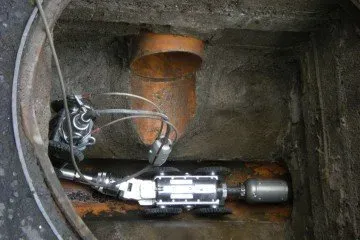
Pre-Build & Home Buyer Surveys
Full HD video reports, defect grading, and sonar pipe tracing for building control and mortgage lenders.
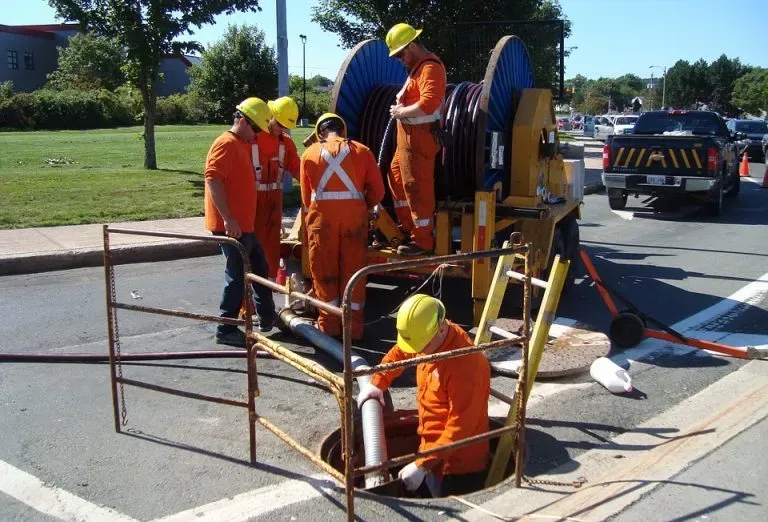
Structural CIPP Relining
No-dig resin sleeves and silicate patch repairs to seal displaced joints and stop root ingress without breaking ground.
Unsure If a Blocked or Damaged Drain Is Your Responsibility?
Speak directly to our engineers. Whether you have an overflowing gully right now or need a fast CCTV survey to prove a fault lies in a shared public sewer, we provide upfront quotes and 24/7 response across Liverpool, Sefton, and the Wirral.